CONVERSACIONES CON ARCHIVOS. Proyecto de diálogo, intercambio y reflexión
16.04.2026
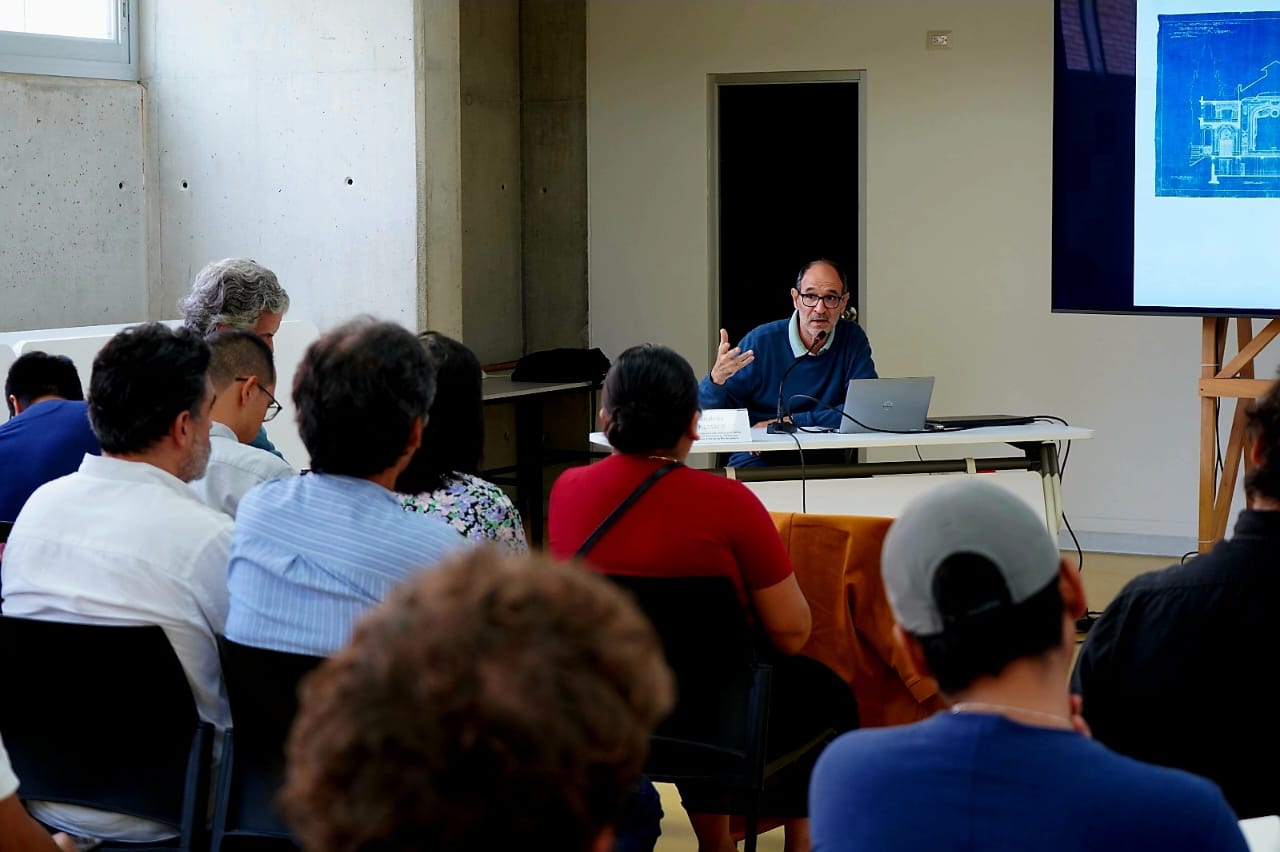
The lecture by Andrés Passaro at Pontifical Catholic University of Peru in Lima invites us to dive into the history of Brazilian architecture, moving away from the notion of an archive as something static and lifeless. Drawing from the archive of the Research and Documentation Center (NPD) of the Faculty of Architecture and Urbanism of the Federal University of Rio de Janeiro, he reveals how these documents become the guiding thread of a journey marked by tensions, ambitions, and dreams of modernity. The narrative begins in 1816, when the French Artistic Mission brought Grandjean de Montigny and Neoclassicism to Rio de Janeiro, establishing a clear rupture with the colonial past through the project for the Imperial Academy of Fine Arts.
With the arrival of the Republic, Brazil felt an urgent need to appear modern and cosmopolitan in the eyes of the world. This aspiration took shape through the work of Adolfo Morales de los Rios, who helped redefine the face of the capital with the opening of Avenida Central and the building of the National School of Fine Arts. The eclecticism of the period, visible in works such as the newspaper El Paiz and the Archiepiscopal Palace, became the visual expression of a country eager to reinvent itself. By 1922, the Centennial of Independence introduced another dimension to this search: the desire to become monumental and distinctly national, clearly reflected in the works of Archimedes Memória and Gastão Bahiana.
The great turning point, however, came in 1935 with the competition for the Ministry of Education and Health building. There, an extraordinary team including Lucio Costa, Oscar Niemeyer, and Afonso Eduardo Reidy designed what is considered the world’s first modern public building, placing Brazil at the forefront of global modern architecture. This momentum continued through visionary plans for the University City and Santos Dumont Airport, eventually reaching the radical experimentalism of Sergio Bernardes in the 1960s. The narrative concludes in the 1990s, when postmodernism introduced new critiques and pluralistic paths, bringing to a close a fascinating cycle of dialogues that the NPD archive continues to preserve with great care today.
Organization: Michelle Llona
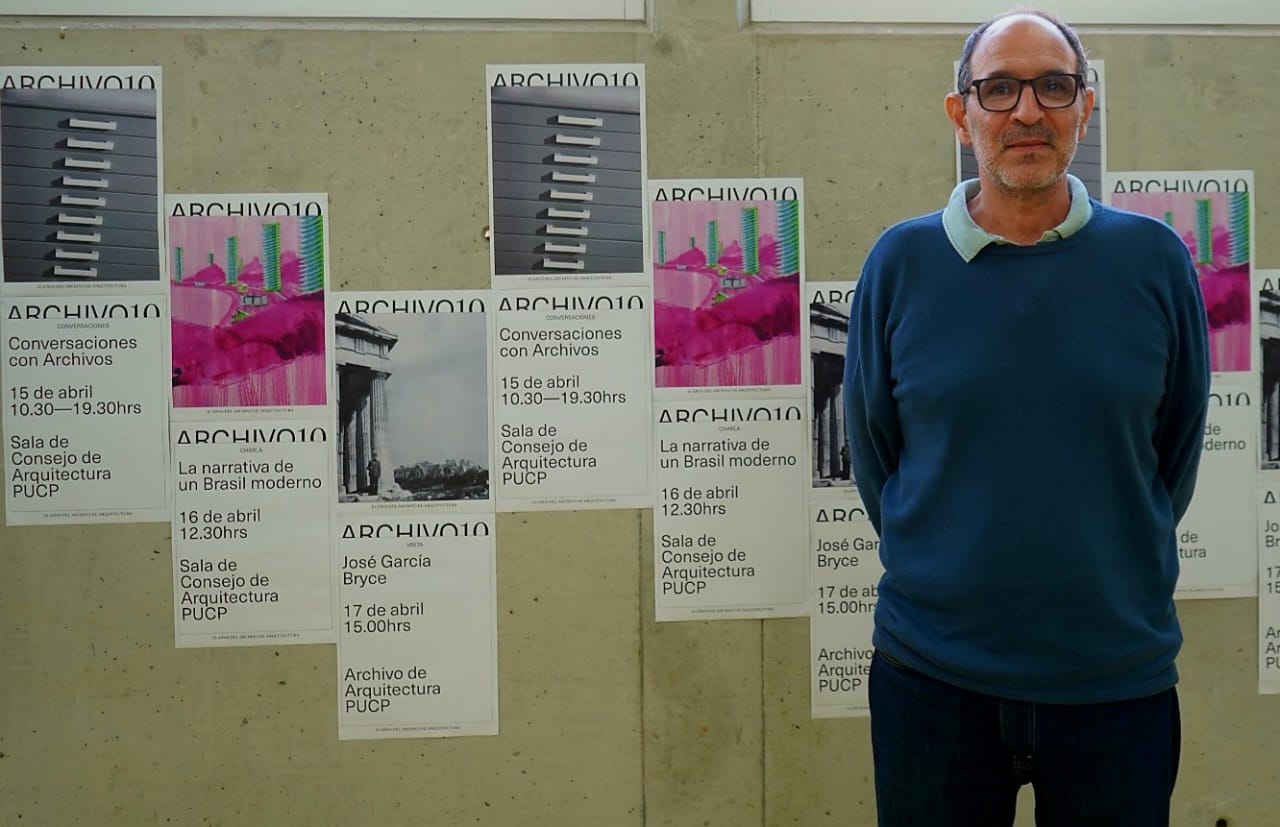
Lecture: The Narrative of a Modern Brazil
Speaker: Andrés Passaro (NPD/FAU UFRJ)
Location: Pontifical Catholic University of Peru, Lima — April 16, 2026