DONATION EVENT OF THE SERGIO BERNARDES ARCHIVE FOR NPD-UFRJ

20.05.2026

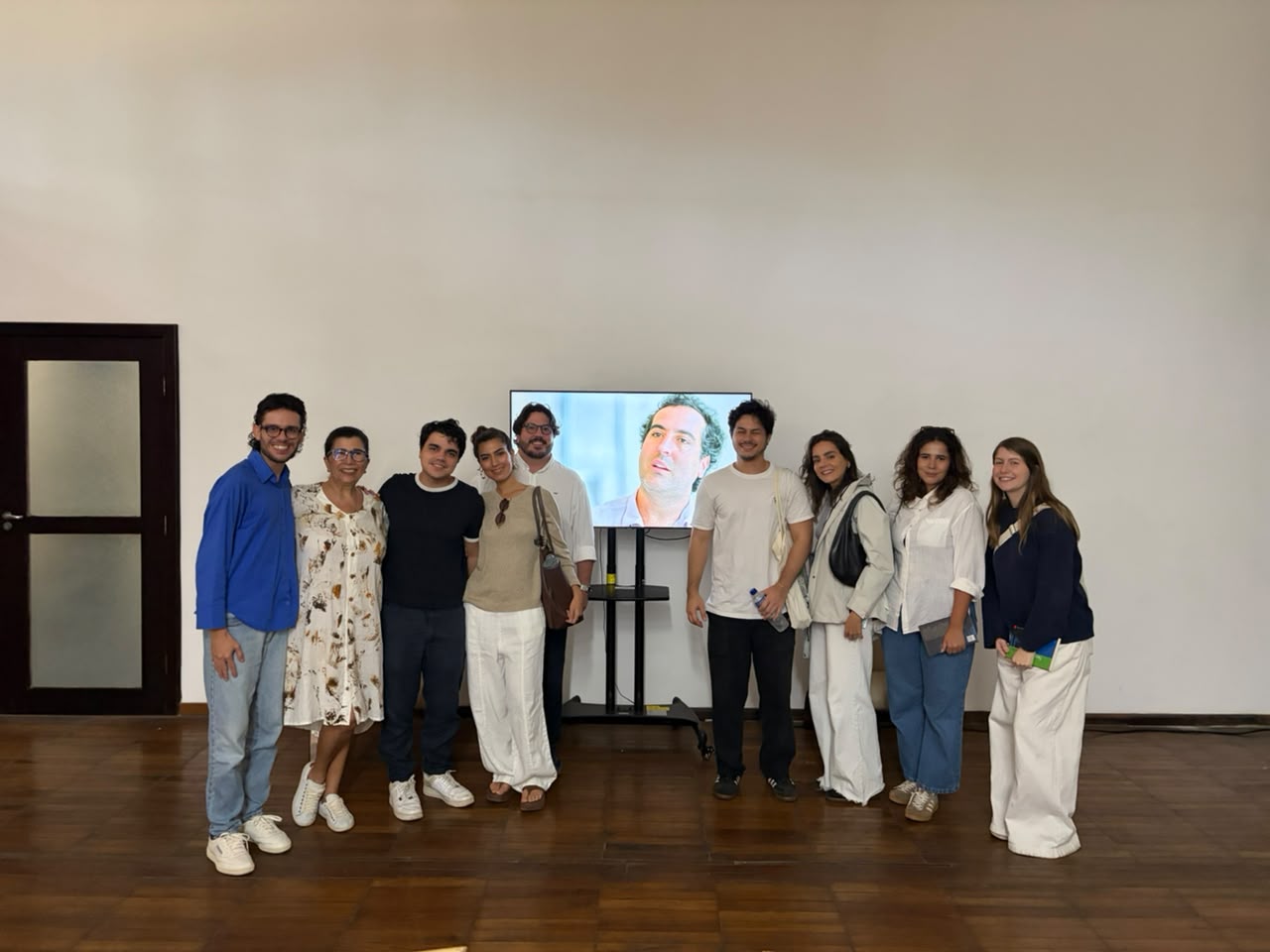
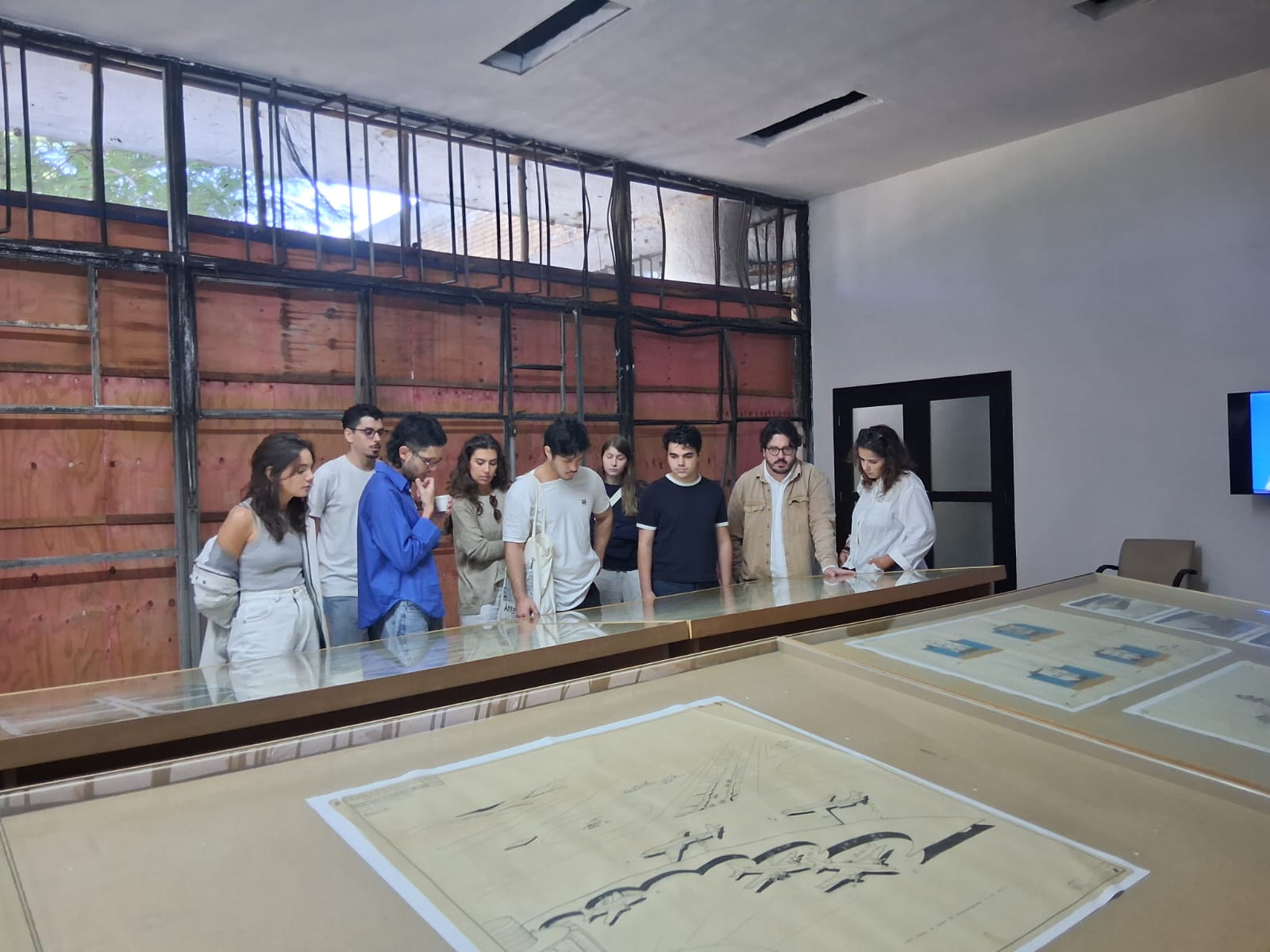
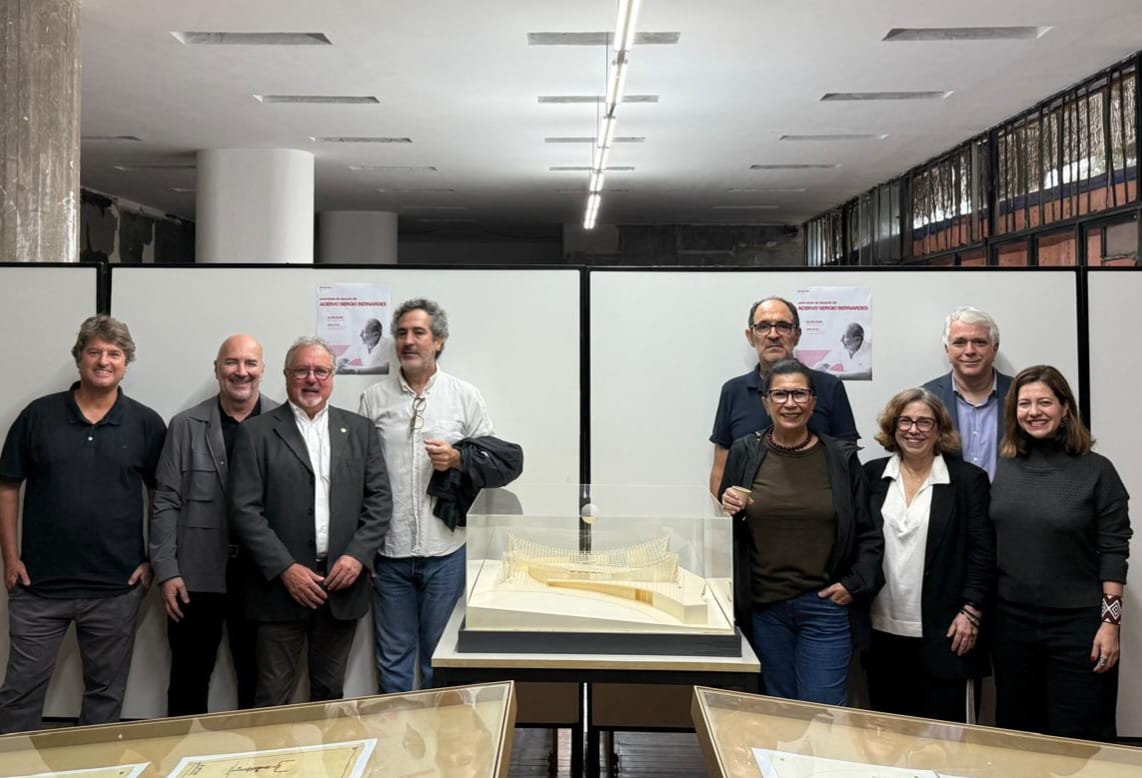
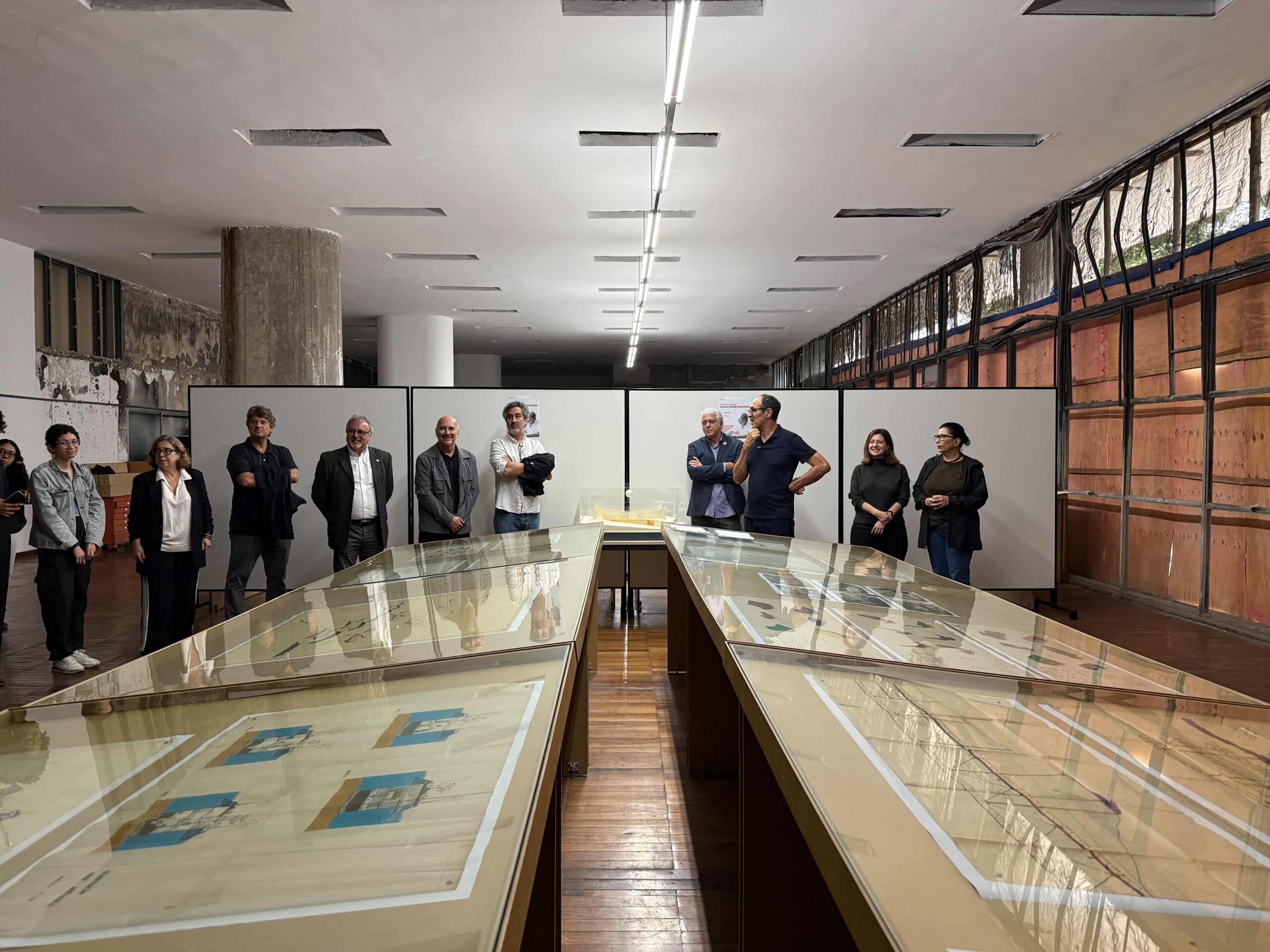
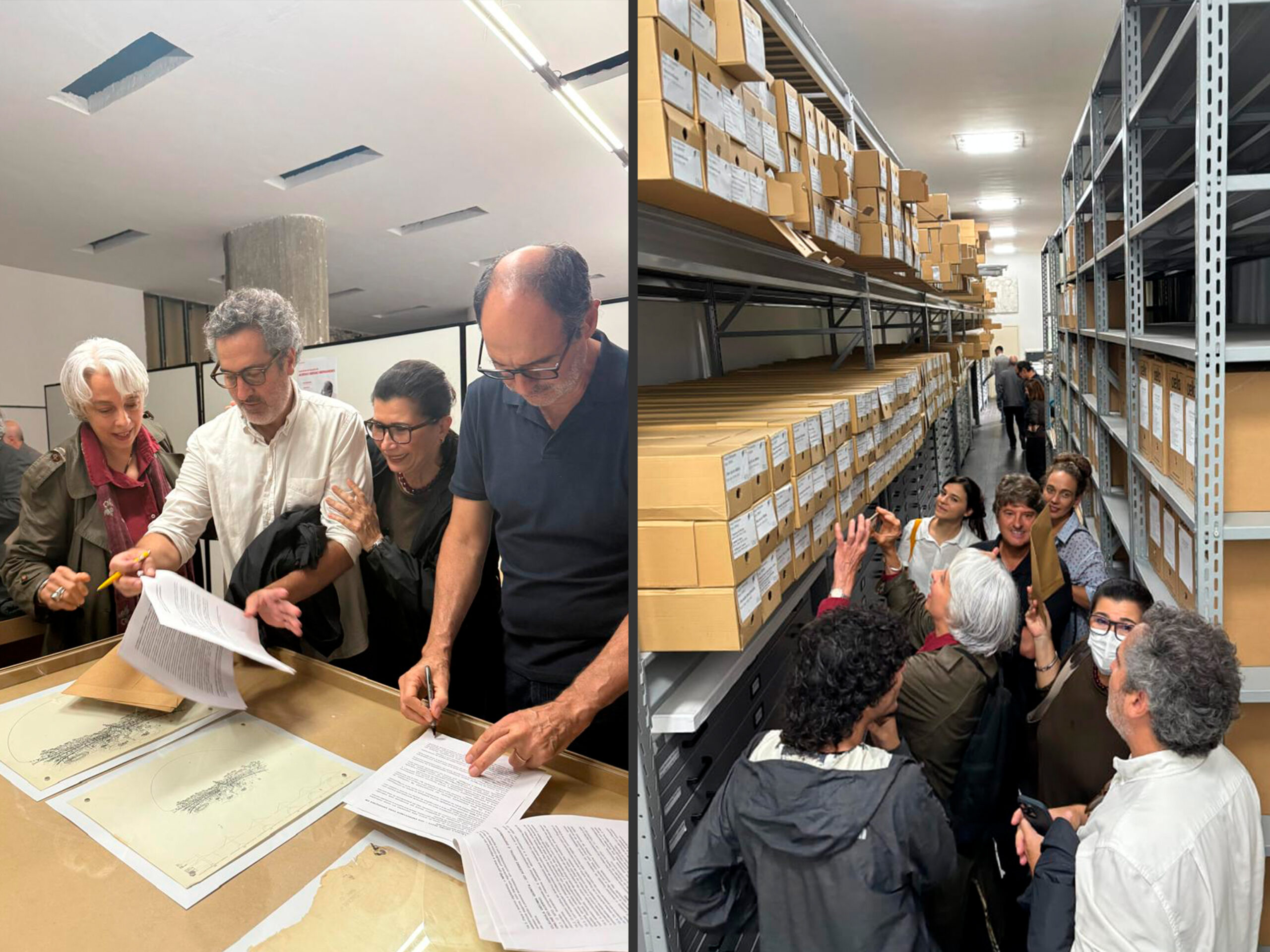
The donation of Sergio Bernardes’s archive was celebrated on May 20th with a commemorative exhibition presenting the multiple facets of the architect and urban planner. The archive was donated by the Bernardes family to the Research and Documentation Center (NPD) of the Faculty of Architecture and Urbanism of the Federal University of Rio de Janeiro and now permanently joins an important archival collection alongside distinguished contemporaries such as Afonso Eduardo Reidy, Marcelo Roberto, Milton Roberto, Maurício Roberto, Jorge Machado Moreira, Carlos Leão, and Severiano Mário Porto, among other major figures who form this significant architectural archive.

Architect and urban planner, philosopher and humanist, Sergio Bernardes (1919–2002) was born in the Botafogo neighborhood of Rio de Janeiro on April 9, 1919. From an early age, he enjoyed inventing his own toys and was fascinated by woodworking and engines. In 1934, at the age of 15, he set up a model-making workshop at home and developed his first architectural project for family friends: the Eduardo Baouth residence, built in Itaipava, in the mountainous region of Rio de Janeiro state.

Sergio Bernardes conceived and practiced architecture within an expanded field, dedicating himself to everything from the design of the smallest object to reflections on a planetary scale. His work spanned architecture, urbanism, design, technology, and humanist thought, always guided by an experimental vision deeply rooted in the integration between nature, technique, and society.


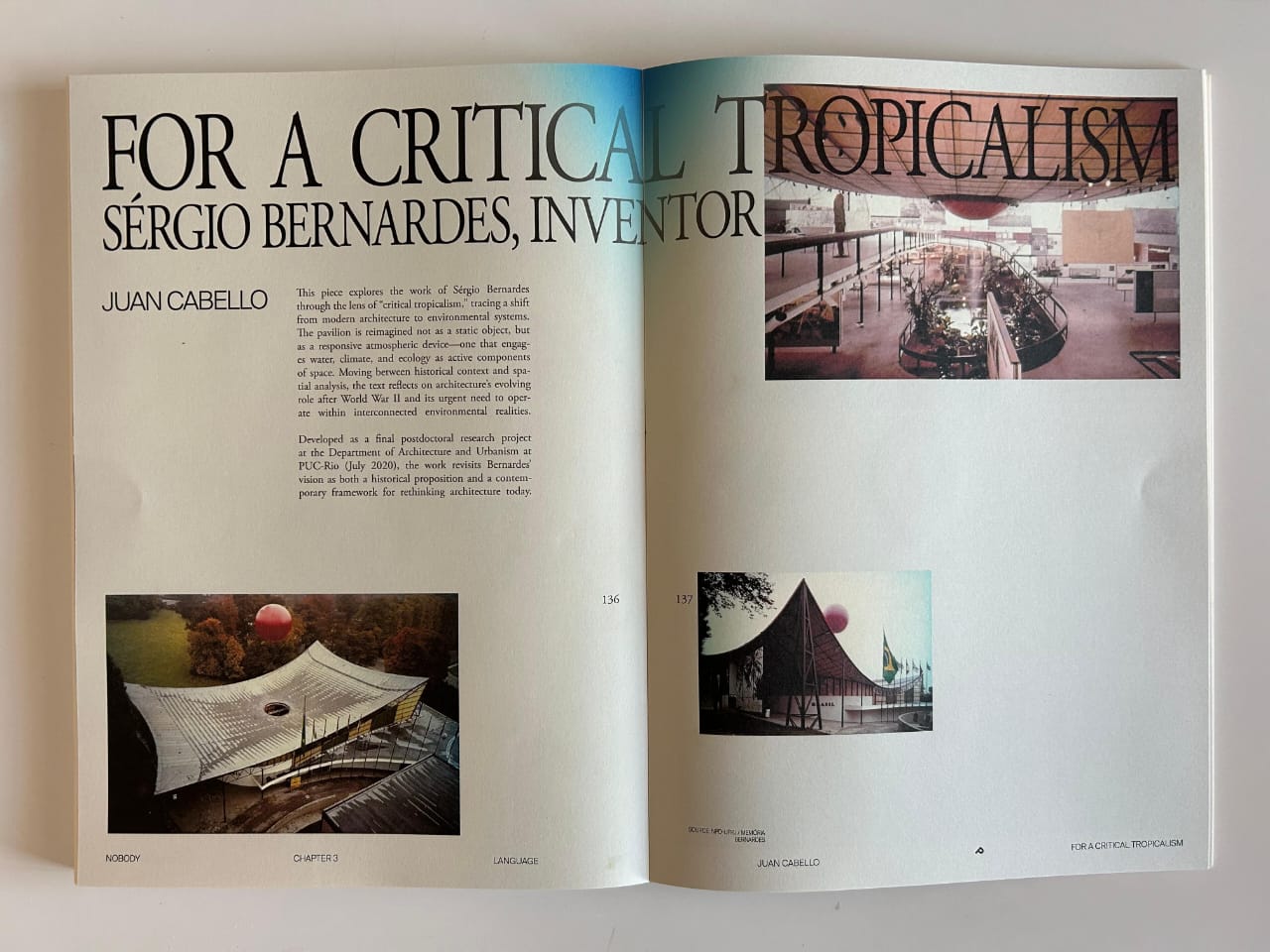
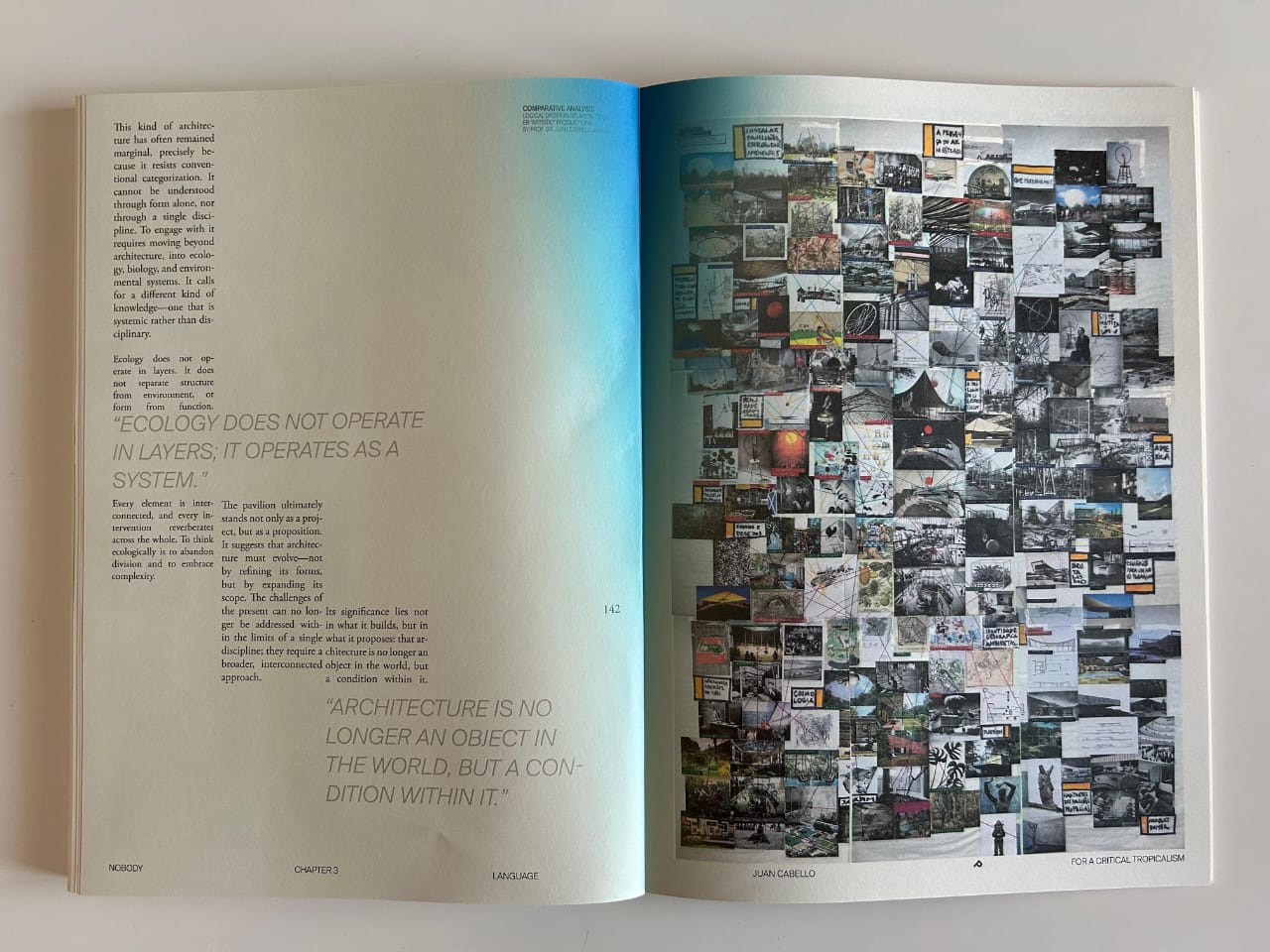
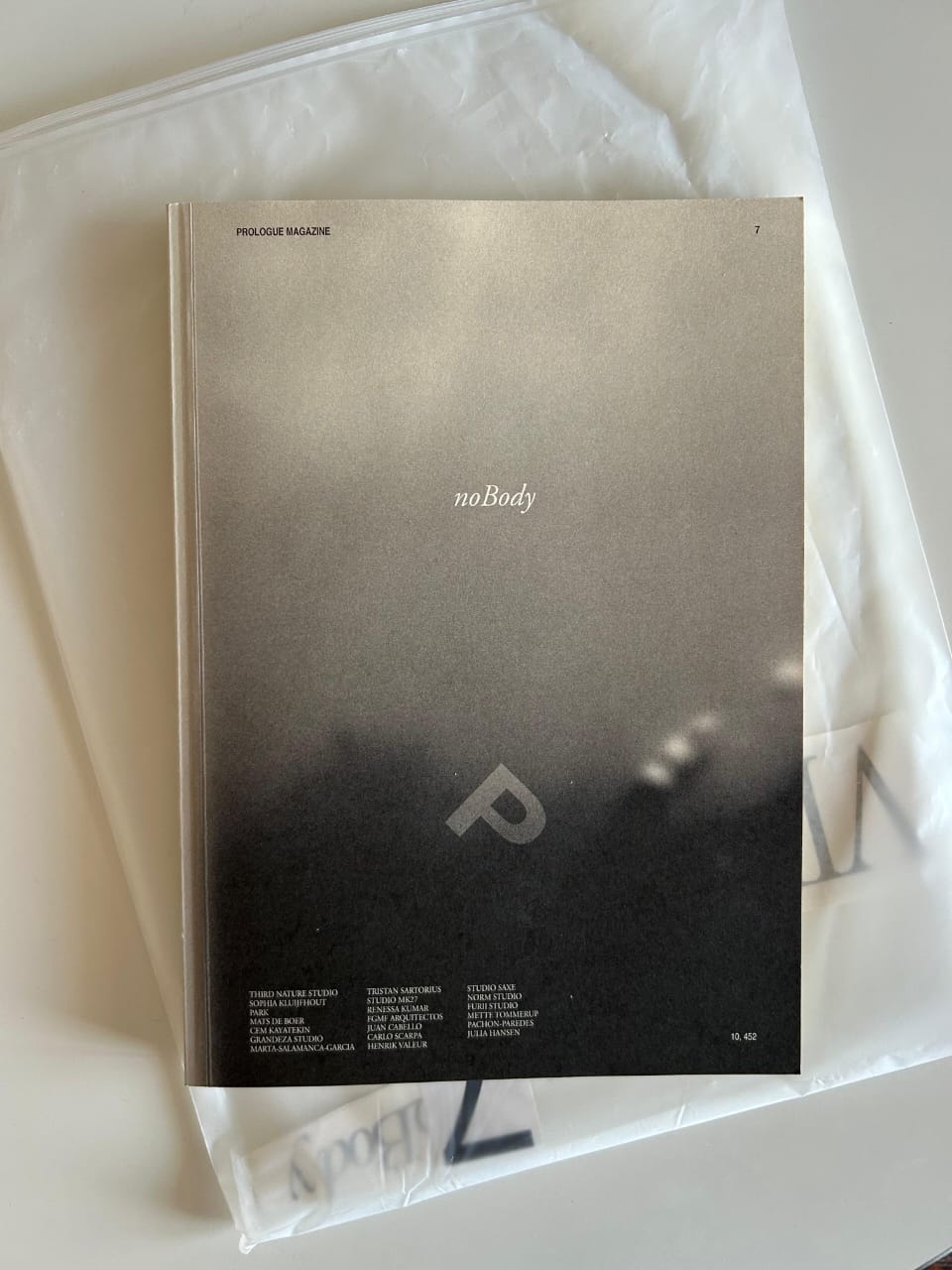
FOR A CRITICAL CAPITALISM. SÉRGIO BERNARDES, INVENTOR. REVISTA PROLOGUE N. 7 IE Universitário, Espanha

01.05.2026

Article by Spanish architect Juan Cabello for PROLOGUE Magazine No. 7, IE University, Spain.

CONVERSACIONES CON ARCHIVOS. Proyecto de diálogo, intercambio y reflexión

16.04.2026

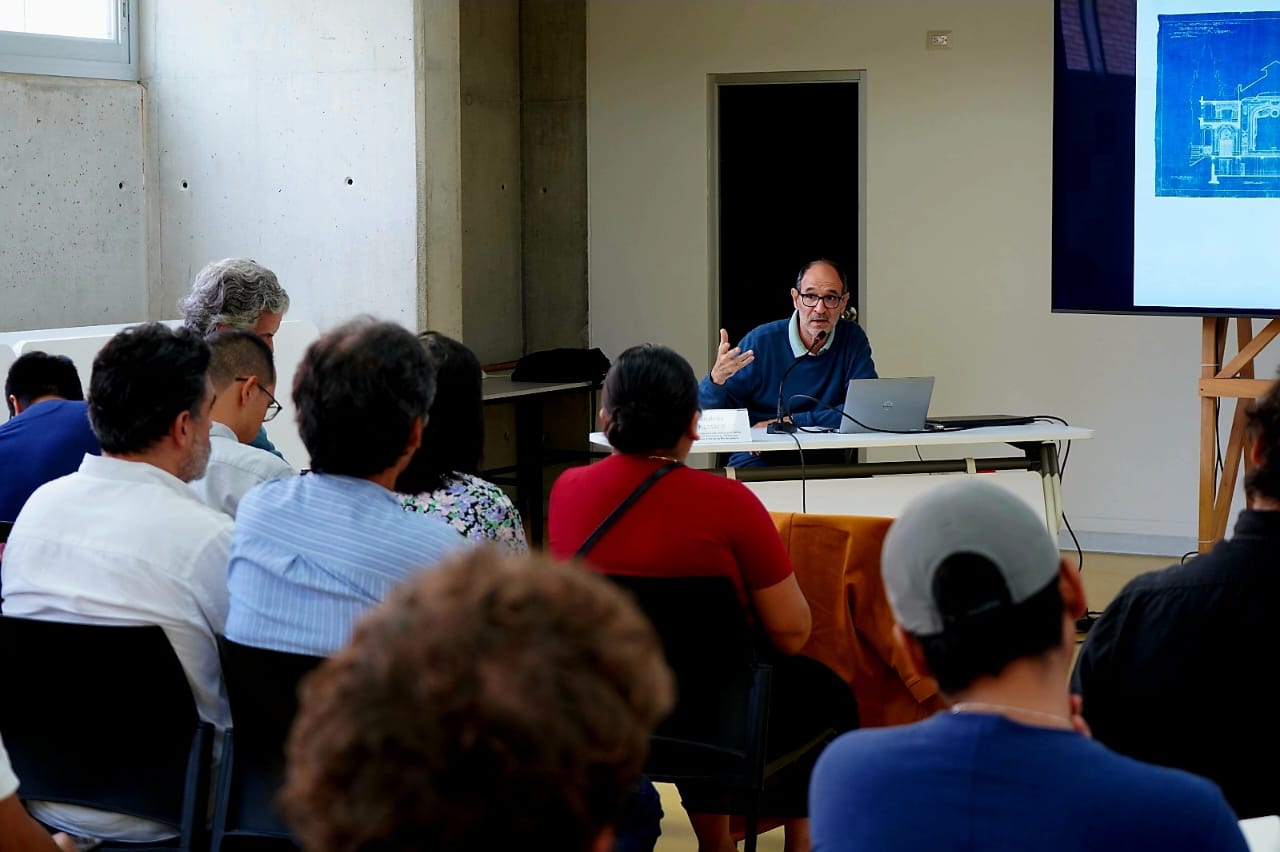
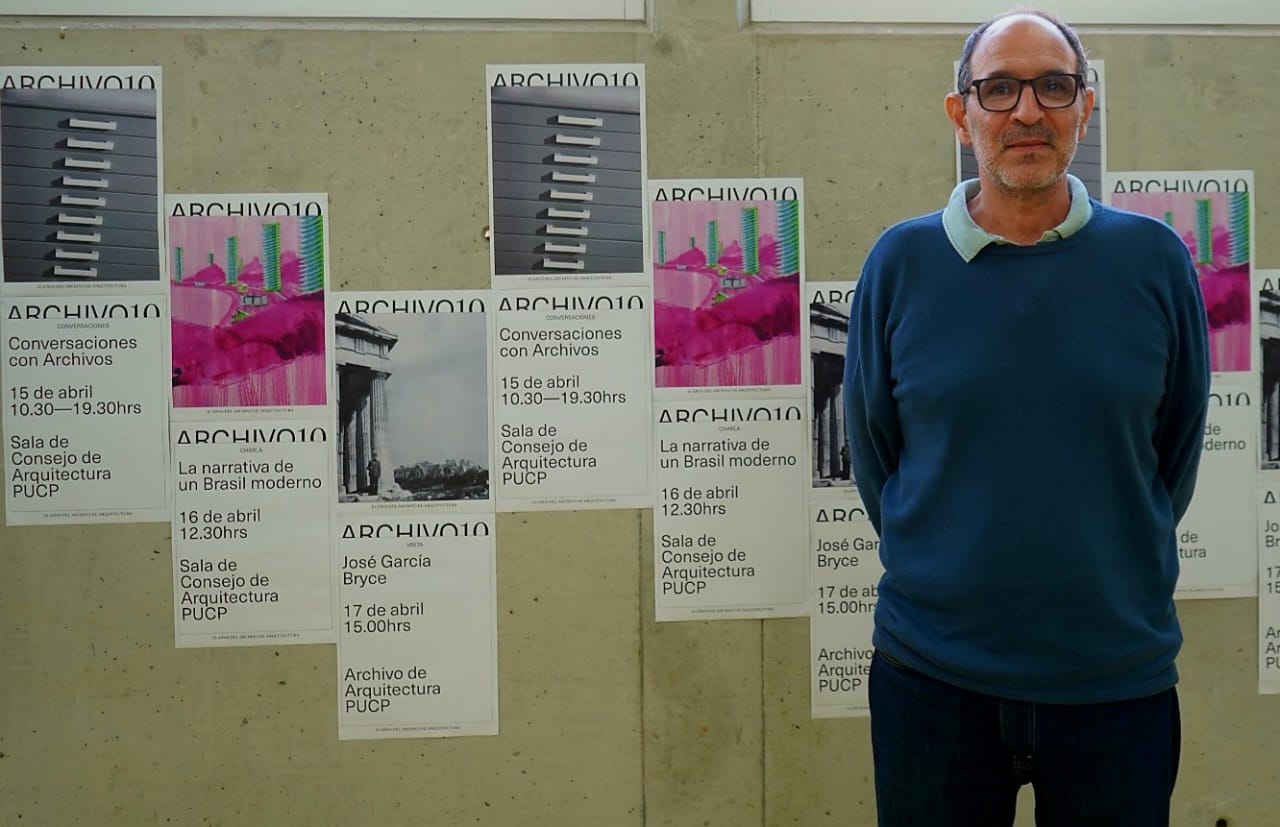
The lecture by Andrés Passaro at Pontifical Catholic University of Peru in Lima invites us to dive into the history of Brazilian architecture, moving away from the notion of an archive as something static and lifeless. Drawing from the archive of the Research and Documentation Center (NPD) of the Faculty of Architecture and Urbanism of the Federal University of Rio de Janeiro, he reveals how these documents become the guiding thread of a journey marked by tensions, ambitions, and dreams of modernity. The narrative begins in 1816, when the French Artistic Mission brought Grandjean de Montigny and Neoclassicism to Rio de Janeiro, establishing a clear rupture with the colonial past through the project for the Imperial Academy of Fine Arts.

With the arrival of the Republic, Brazil felt an urgent need to appear modern and cosmopolitan in the eyes of the world. This aspiration took shape through the work of Adolfo Morales de los Rios, who helped redefine the face of the capital with the opening of Avenida Central and the building of the National School of Fine Arts. The eclecticism of the period, visible in works such as the newspaper El Paiz and the Archiepiscopal Palace, became the visual expression of a country eager to reinvent itself. By 1922, the Centennial of Independence introduced another dimension to this search: the desire to become monumental and distinctly national, clearly reflected in the works of Archimedes Memória and Gastão Bahiana.

The great turning point, however, came in 1935 with the competition for the Ministry of Education and Health building. There, an extraordinary team including Lucio Costa, Oscar Niemeyer, and Afonso Eduardo Reidy designed what is considered the world’s first modern public building, placing Brazil at the forefront of global modern architecture. This momentum continued through visionary plans for the University City and Santos Dumont Airport, eventually reaching the radical experimentalism of Sergio Bernardes in the 1960s. The narrative concludes in the 1990s, when postmodernism introduced new critiques and pluralistic paths, bringing to a close a fascinating cycle of dialogues that the NPD archive continues to preserve with great care today.

Organization: Michelle Llona
Lecture: The Narrative of a Modern Brazil
Speaker: Andrés Passaro (NPD/FAU UFRJ)
Location: Pontifical Catholic University of Peru, Lima — April 16, 2026
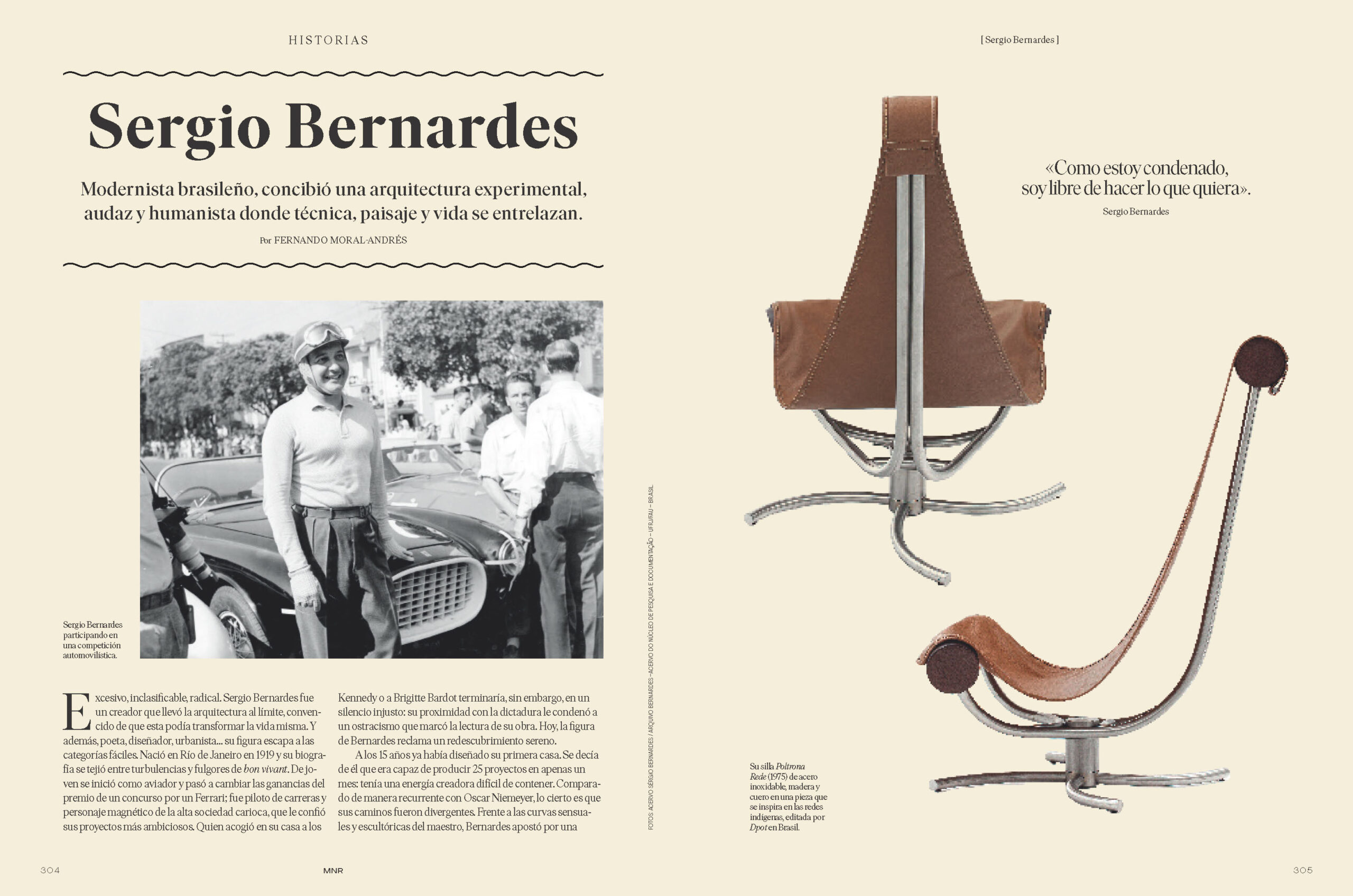
SERGIO BERNARDES. MANERA MAGAZINE

01.03.2026

Article by Prof. Dr. Arquitecto Fernando Moral Andrés for Manera Magazine, March 2026 edition.

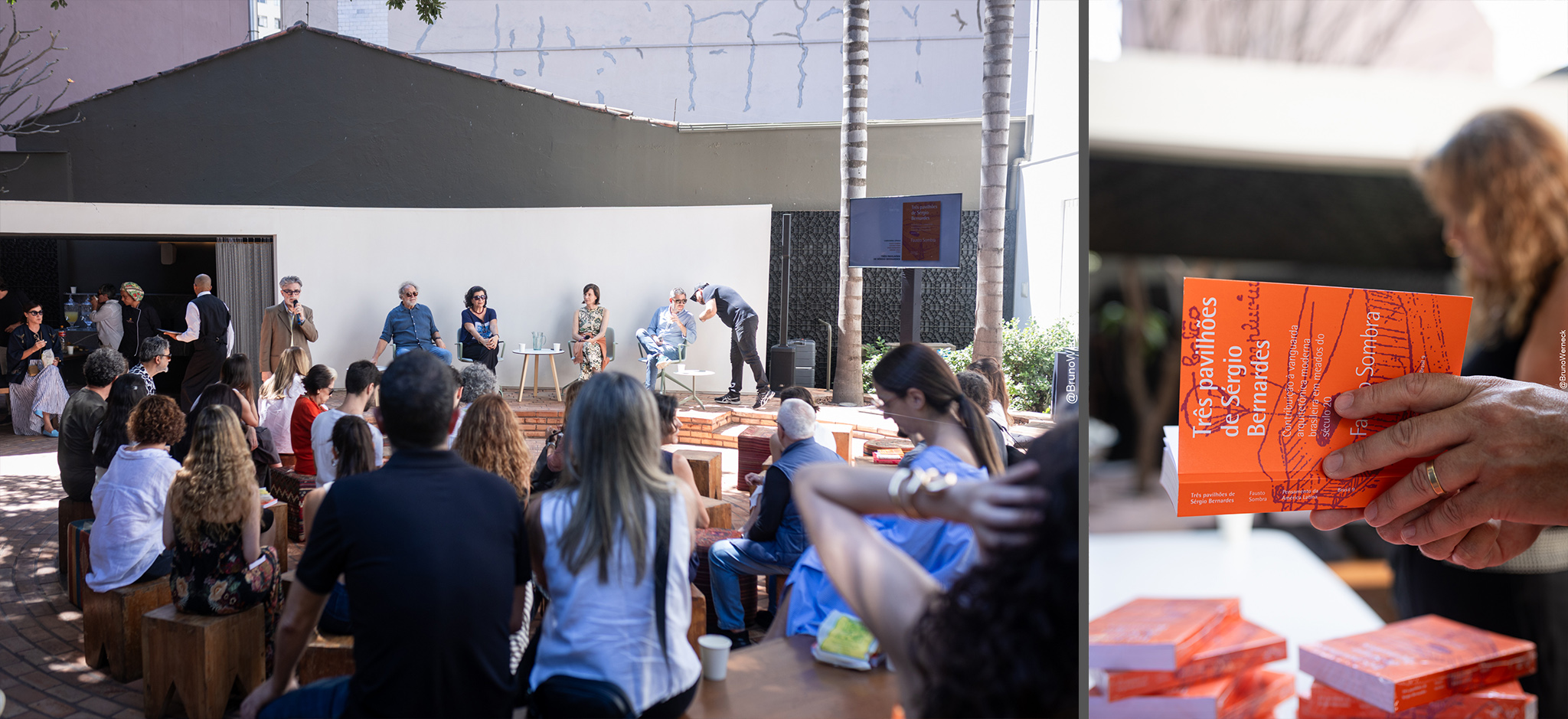
Release of the book “Três pavilhões de Sérgio Bernardes: contribuição à vanguarda arquitetônica moderna brasileira em meados do século 20” by Fausto Sombra in Belo Horizonte

17.08.2024

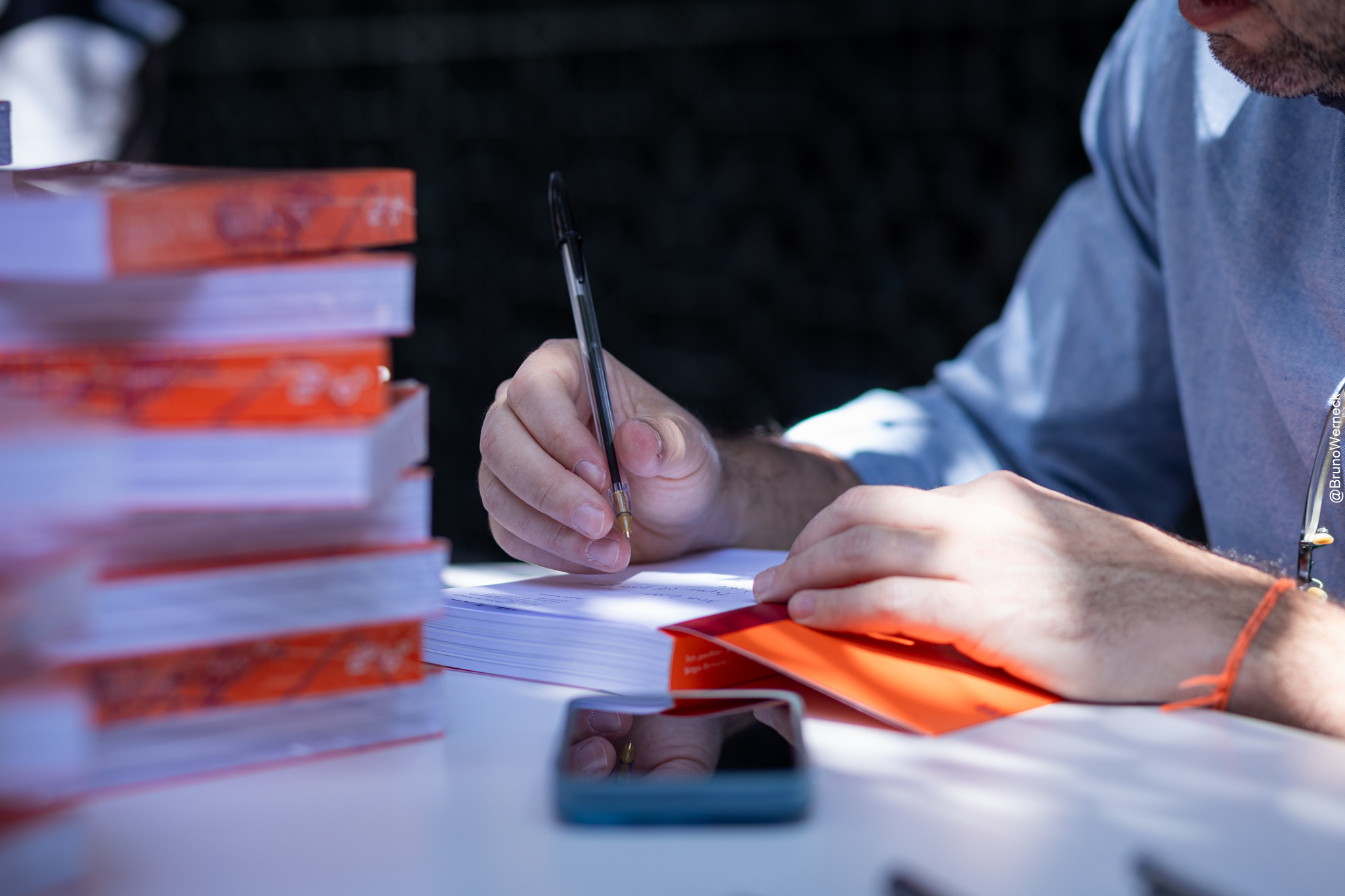
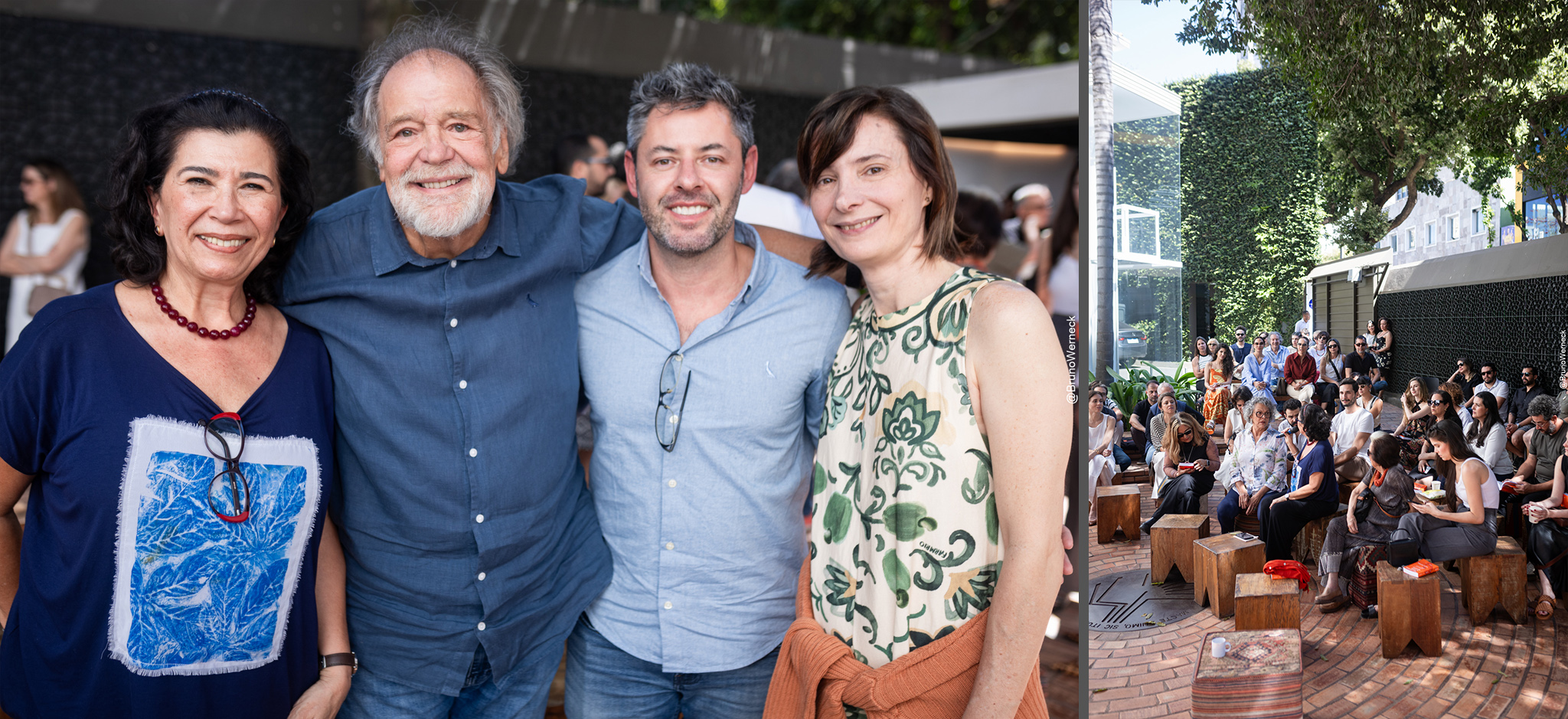
The launch of the book “Três Pavilhões de Sérgio Bernardes” by Fausto Sombra brought together the host of the event, architect Gustavo Penna, who wrote the afterword to the book, the author Fausto Sombra, and researchers Adriana Caúla and Kykah Bernardes for a talk. The event was organized by GPA&A and Dudu Prates, in the beautiful GPS&A office, a century-old house in the center of BH, and was attended by a group of long-time friends of Gustavo and Sérgio, as well as young architects interested in the history of Sérgio Bernardes. He was remembered not only for his innovative works and humanist vision, but also for a series of “stories” he told and which his friends recalled. Photographs by Bruno Werneck.


Cadernos PROARQ – edition 32

31.10.2019

The 32nd Edition (August 2019) of CADERNOS PROARQ magazine celebrates the centenary of Sergio Bernardes.

To access the digital edition, access the link below:

http://cadernos.proarq.fau.ufrj.br/public/docs/cadernosproarq32.pdf